

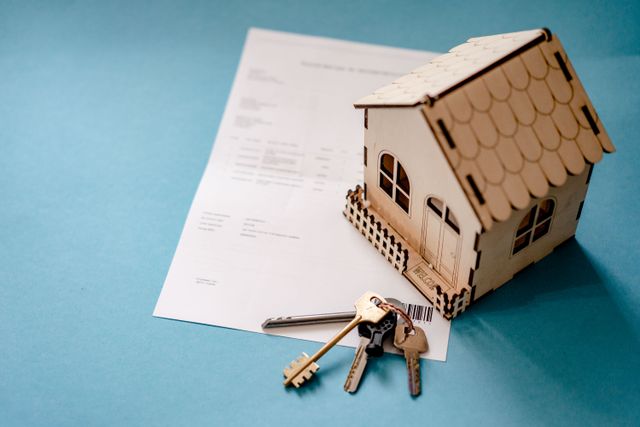
The South Australian housing market is experiencing a profound structural shift as the relentless price surges of recent years give way to a distinct, buyer-friendly consolidation phase. For a prolonged period, navigating the real estate landscape in Adelaide and its surrounding regional hubs was an exhausting exercise for aspiring property buyers. Chronic housing shortages, intense bidding wars, and rapidly escalating prices left buyers with minimal room for negotiation and little time to conduct thorough due diligence. However, the latest market indicators show that the absolute peak of the seller’s boom has passed, ushering in a welcome environment characterized by increased choice, reduced competition, and more realistic vendor expectations.
According to concrete transaction data, the extraordinary growth cycle that pushed the market to historic heights has definitively slowed down. Metropolitan Adelaide has recorded consecutive monthly dwelling value declines of approximately 1.3%, leading to a quarterly reduction of 2.7%. While long-term property owners are still protected by a resilient annual growth rate of 6.5%, the immediate trajectory of the market clearly favors those looking to purchase. The median house price in the state capital has adjusted downward from its historic peak, now stabilizing around $990,000, while the combined dwelling median—which includes townhouses and apartments—sits at $928,560. This cooling trend provides entry-level buyers, growing families, and strategic investors with a unique window of opportunity to enter the market without the intense pressure that defined previous years.
The emergence of a buyer-friendly market is not a sign of economic collapse, but rather a healthy macroeconomic correction. Real estate markets naturally move in cyclical waves, and after years of unsustainable upward momentum, a period of consolidation is essential to restore balance. For individuals who found themselves priced out or outbidden during the height of the frenzy, the current climate represents an ideal time to reassess their purchasing goals, engage with local real estate agencies, and secure assets at fairer market prices.
A Surge in Available Listings and Market Inventory
The most visible sign of this changing market dynamic is the substantial increase in property choices available across South Australia. Total property listings actively tracking on the market have surged by an impressive 50.7% compared to the exact same period last year. This dramatic rise in inventory is not necessarily driven by a massive influx of new properties hitting the market all at once; rather, it reflects a broader trend of existing stock taking longer to sell. When homes spend more days on the market, inventory accumulates, systematically shifting the leverage away from sellers and placing it firmly into the hands of buyers.
During the height of the recent property boom, a newly listed home would frequently sell within days of its first open inspection, often attracting dozens of competing offers. Today, the pace of the market has moderated significantly. This extended timeline allows buyers to thoroughly inspect properties multiple times, coordinate professional building and pest inspections, and arrange formal finance approvals without the paralyzing fear of missing out. The luxury of time prevents hasty financial decisions and ensures that buyers can move forward with absolute confidence in the structural and financial integrity of their purchase.
Furthermore, the expansion of available listings means that buyers no longer have to compromise heavily on their preferred locations or property features. Whether you are looking for a character cottage in the Adelaide Hills, a modern townhouse in the western suburbs, or a family allotment in the northern growth corridors, the accumulation of stock ensures a diverse range of alternatives. Sellers can no longer afford to adopt a take-it-or-leave-it attitude, forcing them to present their homes immaculately and engage constructively with interested parties.
The Cooling of the Auction Market and Rising Vendor Discounts
Another unmistakable indicator of South Australia’s transition into a buyer’s market is the cooling performance of public auctions. Auctions were once the preferred method of sale for vendors looking to maximize competition and drive premium prices through transparent emotional bidding. However, auction clearance rates have dropped to a soft 32.9%. This means that nearly two-thirds of properties scheduled for auction are failing to sell under the hammer on the day, frequently passing in due to a lack of registered bidders or bids failing to meet the vendor’s reserve price.
When a property passes in at auction, it transitions into a private treaty sale, opening up a highly advantageous window for buyers. In a private treaty scenario, buyers can submit offers that include critical protective conditions, such as being subject to finance approval or the sale of an existing home. This is a massive shift from unconditional auction terms, which require an immediate ten percent deposit and zero cooling-off privileges. Savvy buyers are leveraging these passed-in properties to negotiate favorable terms and realistic purchase prices directly with increasingly anxious vendors.
In tandem with falling auction clearance rates, the widening of vendor discounts has become a prominent feature of the South Australian real estate landscape. Properties that are initially overpriced are experiencing notable price reductions as they sit on the market. Real estate professionals are reporting that sellers are becoming far more pragmatic, actively adjusting their expectations downward to meet the actual borrowing capacities of modern buyers. This willingness to discount indicates that the gap between what a seller wants and what a buyer can realistically pay is narrowing significantly, creating excellent opportunities for counter-offers and assertive price negotiations.
Macroeconomic Drivers Behind the Changing Market Dynamics
The underlying forces reshaping the South Australian property sector are deeply tied to broader macroeconomic shifts across the Australian financial system. The primary catalyst for the cooling market is the sustained monetary policy of the Reserve Bank of Australia. With the official cash rate held at an elevated level of 4.60%, the cost of capital has risen substantially, which has had a direct and measurable impact on household purchasing power.
Lending institutions have drastically tightened their serviceability assessments in response to these high interest rates. Financial analysts estimate that the average Australian household has seen its maximum borrowing capacity reduced by approximately 9%, which translates to a reduction of roughly $90,000 in purchasing power for an ordinary mortgage applicant. Because buyers simply cannot access the massive loan amounts they could twelve to eighteen months ago, runaway bidding has ceased entirely. This reduction in available credit acts as a natural ceiling on property values, ensuring that prices remain anchored to realistic economic fundamentals.
While higher interest rates mean that mortgage repayments require a larger portion of household income, the corresponding drop in property prices and reduction in buyer competition help offset the overall entry barrier. Buyers who possess a strong deposit and secure employment are finding that they can negotiate far better purchase prices, ultimate lending terms, and structural conditions than at any other point in the current decade.
The Resilience of the Rental Sector and Long-Term Investment Outlook
While the purchasing market transitions into a buyer-friendly environment, the South Australian rental sector continues to operate under completely different pressures. The rental vacancy rate across metropolitan Adelaide remains locked at an ultra-low 0.6%, highlighting a chronic and ongoing shortage of available rental accommodation. This extreme imbalance between supply and demand has continued to push rental prices upward, with the average weekly rent for a house climbing to approximately $691.
For prospective buyers who are currently renting, these high rental costs provide a powerful incentive to transition into homeownership as quickly as possible. When weekly rental outlays approach or exceed the cost of servicing a standard mortgage on an entry-level home, purchasing a primary residence becomes a logical step toward long-term financial stability. Escaping the volatility of the rental market allows individuals to build long-term equity in an asset that they fully control.
For property investors, the combination of cooling purchase prices and rising rental returns creates an incredibly lucrative environment. The compression of property values alongside rising weekly rents results in substantially higher gross rental yields across South Australia. Investors entering the market can secure properties with lower capital outlays while enjoying robust, reliable cash flow generated by a highly competitive rental market. As the market continues to stabilize through the final months of the year, those who act decisively will be well-positioned to reap the rewards of a balanced, fair, and accessible property landscape.