

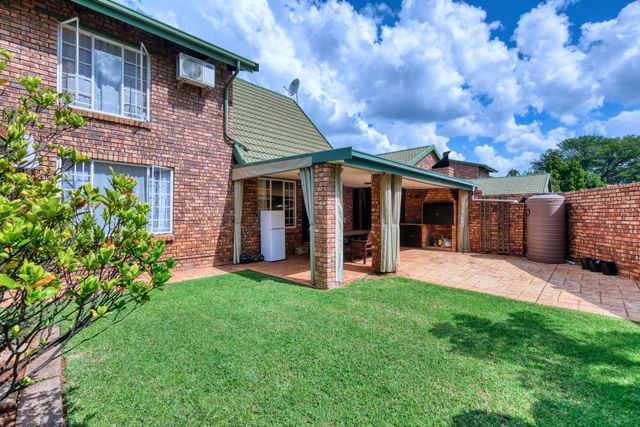
The Adelaide property market has shifted from a quiet, affordable capital city into one of the most dynamic real estate landscapes in Australia. Navigating this environment as a buyer requires a strategic understanding of local economic drivers, infrastructure shifts, and evolving demographic trends. For anyone looking to purchase a residential property or add an investment asset to their portfolio, this analysis provides an insider look into the factors defining the Adelaide market.
The Economic Landscape Supporting Adelaide Real Estate
The foundation of any property market rests heavily on the broader economic health of the state, and South Australia has consistently demonstrated strong economic fundamentals. Employment growth across the state remains robust, driven by multi-billion dollar commitments in high-technology manufacturing, defence projects, renewable energy sectors, and advanced healthcare. These industries act as significant employers, attracting skilled professionals and interstate migrants who choose to settle permanently in South Australia.
This steady economic expansion creates an influx of new residents who require high-quality housing, putting sustained upward pressure on both the purchase market and the rental sector. Unlike previous decades where the local economy relied heavily on traditional automotive or manufacturing industries, the current diversified workforce creates a more stable, resilient real estate market. Buyers must recognise that the capital growth witnessed in recent years is underpinned by genuine economic investment and a growing population, rather than mere speculative trading.
Supply Constraints and the Building Sector
One of the most critical elements impacting buyers is the acute shortage of housing supply across the metropolitan area. The construction sector continues to face challenges, including material costs, labour shortages, and regulatory backlogs, which collectively slow down the delivery of new housing stock to the market. Consequently, the volume of newly built homes, master-planned estates, and medium-density inner-city apartments is failing to keep pace with the current rate of household formation.
For buyers, this imbalance between supply and demand means that established homes in sought-after suburbs attract intense competition. Properties that are well-located, properly maintained, and realistically priced often sell within brief marketing campaigns, frequently drawing multiple offers or competitive bidding at auctions. Buyers must enter the market with their finances fully approved, an accurate understanding of current values, and a willingness to act decisively when a suitable property becomes available.
Understanding Local Suburb Variations
The metropolitan area cannot be viewed as a single, homogenous entity, as different regions offer vastly distinct opportunities and price points. The inner-city ring, encompassing blue-chip suburbs such as Norwood, Unley, Prospect, and North Adelaide, remains highly coveted by affluent professionals and downsizers. These areas are characterised by historic stone villas, tree-lined streets, and close proximity to premium dining and retail precincts, ensuring they retain strong capital value and insulate owners against broader market fluctuations.
In contrast, the western and coastal suburbs, stretching from Henley Beach down to Brighton and Glenelg, cater heavily to lifestyle-oriented buyers who value beach access and modern amenities. The southern and northern growth corridors present a different landscape altogether, offering greater affordability for first-home buyers and superior rental yields for investors. The outer northern suburbs, in particular, have experienced significant transformation due to upgraded transport links and industrial development, making them a primary focus for budget-conscious buyers seeking entry-level housing.
The State of the Rental Market and Investment Yields
For property investors, the Adelaide market presents an appealing landscape characterized by exceptionally low vacancy rates and strong rental growth. The shortage of available rental accommodation has created a highly competitive environment for tenants, resulting in reliable cash flow and minimized vacancy periods for landlords. This tight rental market spans across all property types, from inner-city apartments to suburban family homes and regional townhouses.
Yields vary noticeably depending on the geographic location and the type of property purchased. Inner-ring premium suburbs generally offer lower rental yields but promise strong, long-term capital growth due to the scarcity of land and the timeless appeal of the housing stock. Outer-suburban areas and regional hubs often deliver higher immediate rental yields, which can appeal to investors focused on a positive cash flow strategy. Navigating these options requires a clear definition of investment goals, as balancing yield against capital growth expectations is crucial for long-term financial success.
Structural Changes in Buyer Demographics
The demographic profile of buyers in South Australia is evolving rapidly, altering the types of properties that experience the highest demand. There is a noticeable influx of interstate purchasers from traditional strongholds like Sydney and Melbourne, driven by the realization that Adelaide offers a superior balance of lifestyle, relative affordability, and career opportunities. These buyers often bring substantial equity from eastern states property sales, enabling them to compete strongly for premium homes in elite suburbs.
Simultaneously, the local market is adjusting to a growing preference for low-maintenance living among younger buyers and downsizers alike. While the traditional quarter-acre block with a large backyard remains a quintessential Australian dream, a growing segment of the population actively seeks modern townhouses, terrace homes, and well-designed apartments. Properties that offer smart layouts, energy-efficient inclusions, and proximity to public transport hubs or vibrant local villages are increasingly prized, reflecting a broader shift toward urban convenience and reduced property maintenance.
Navigation Strategies for Prospective Buyers
Success in this competitive environment requires a structured and deliberate approach to the purchasing process. Buyers must prioritize completing their financial preparations before actively searching for properties, ensuring that pre-approvals are finalized and deposit funds are readily accessible. This financial readiness allows buyers to make unconditional or highly competitive offers, which vendors often favor over offers contingent on lengthy finance approval periods.
Many premium listings are sold quietly through off-market transactions or presented directly to an agent’s established database before being advertised on major public portals. By clearly communicating specific purchasing criteria, budget limits, and readiness to act, buyers can position themselves to receive early notifications of these exclusive opportunities, gaining a distinct advantage over the broader public market.